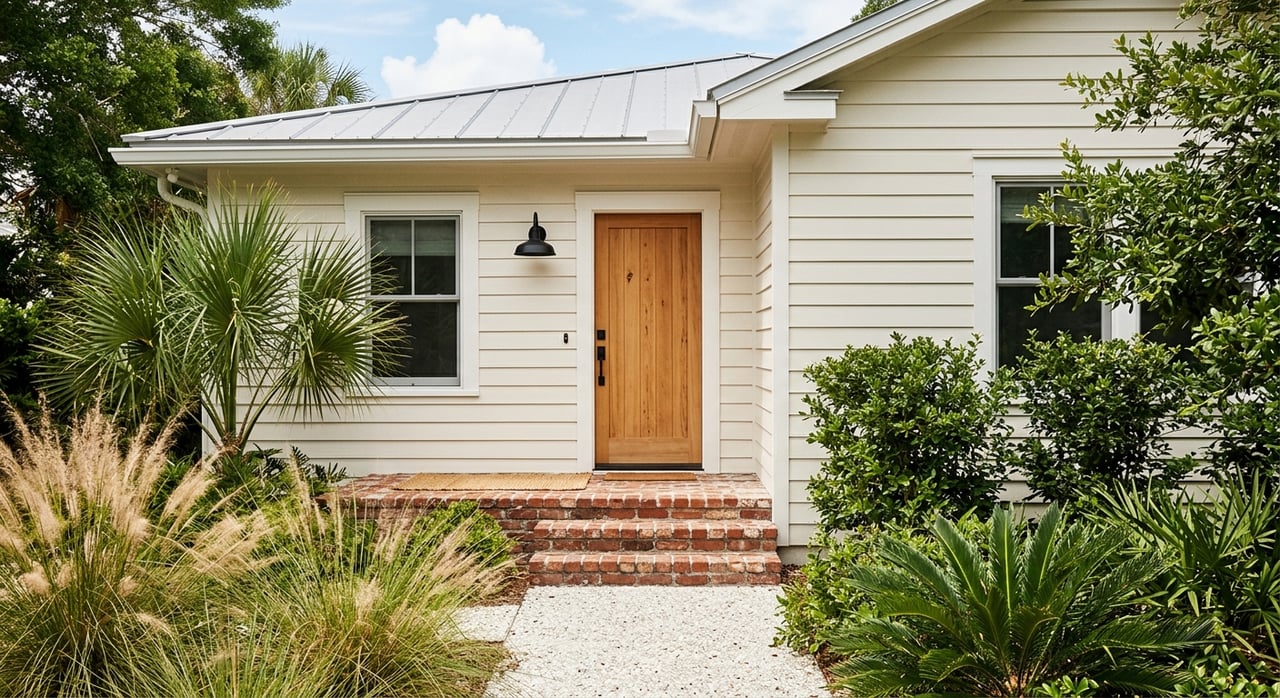
Is the charm of a classic Seagrove cottage found in what you add, or in what you choose not to overdo? If you own, are buying, or are preparing to sell in Seagrove, that question matters. The right updates can make a cottage feel brighter, more durable, and more functional for modern beach living without losing the shaded, easygoing character that makes Old Seagrove so distinctive. Let’s look at the design choices that elevate a classic cottage while staying true to place.
Why Seagrove cottage character matters
Seagrove’s identity is closely tied to low-rise beach life, mature trees, pedestrian beach access, and cottages that feel connected to the outdoors. Walton County’s Old Seagrove Neighborhood Plan specifically aims to preserve the area’s unique heritage and keep future development compatible with its historical patterns and design. That context matters when you plan updates, because the most successful changes tend to respect scale, shade, and simplicity.
The neighborhood plan also notes the pressure created by newer, disproportionately large short-term rental homes. For many owners, that makes thoughtful restraint more valuable than dramatic reinvention. In Seagrove, a well-updated cottage often feels more relevant when it preserves porch life, tree canopy, and an easy indoor-outdoor rhythm.
Start with a lighter, quieter palette
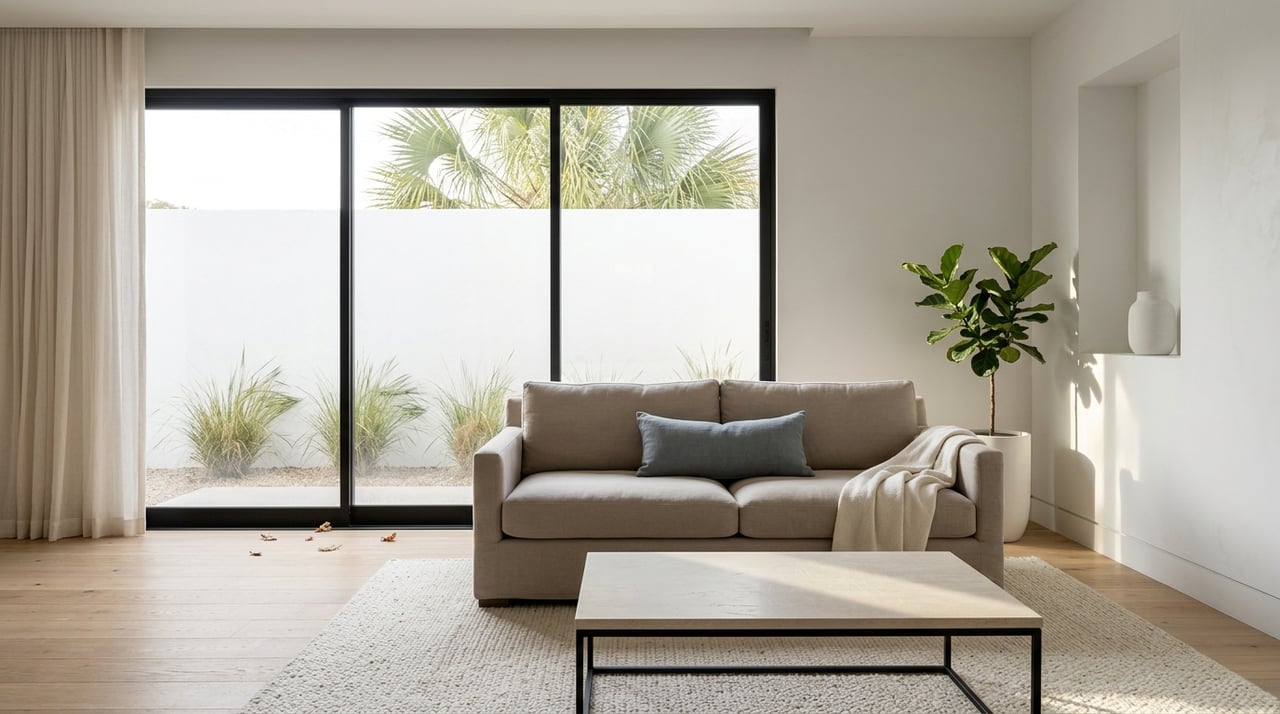
One of the simplest ways to refresh a classic cottage is through color. In Seagrove, the most natural direction is a soft palette inspired by sand, shells, linen, driftwood, and weathered wood, with restrained blue-green accents. It feels current, but it also sits comfortably within the beach and tree-canopy setting.
Light finishes can also support comfort in a hot coastal climate. The U.S. Department of Energy notes that light-colored surfaces and ceilings can help with daylighting, and cool roofs can reduce solar heat gain in warm regions. That does not mean every room should be bright white, but it does support a calm, sun-friendly approach to paint, trim, and exterior finishes.
Best palette choices for a Seagrove refresh
- Warm white or soft ivory walls
- Sand, oat, flax, and driftwood tones for flooring and upholstery
- Muted sea-glass or blue-gray accents used sparingly
- Natural wood finishes with a weathered or matte look
- Exterior colors that feel understated rather than high-contrast
A cottage palette should feel collected, not themed. When colors echo the beach, the trees, and the filtered light outside, the home often feels larger and more settled.
Protect daylight without adding too much glass
Older beach cottages often have a special kind of light. It is softer, filtered through porches, trees, and simple window openings. That quality is worth preserving.
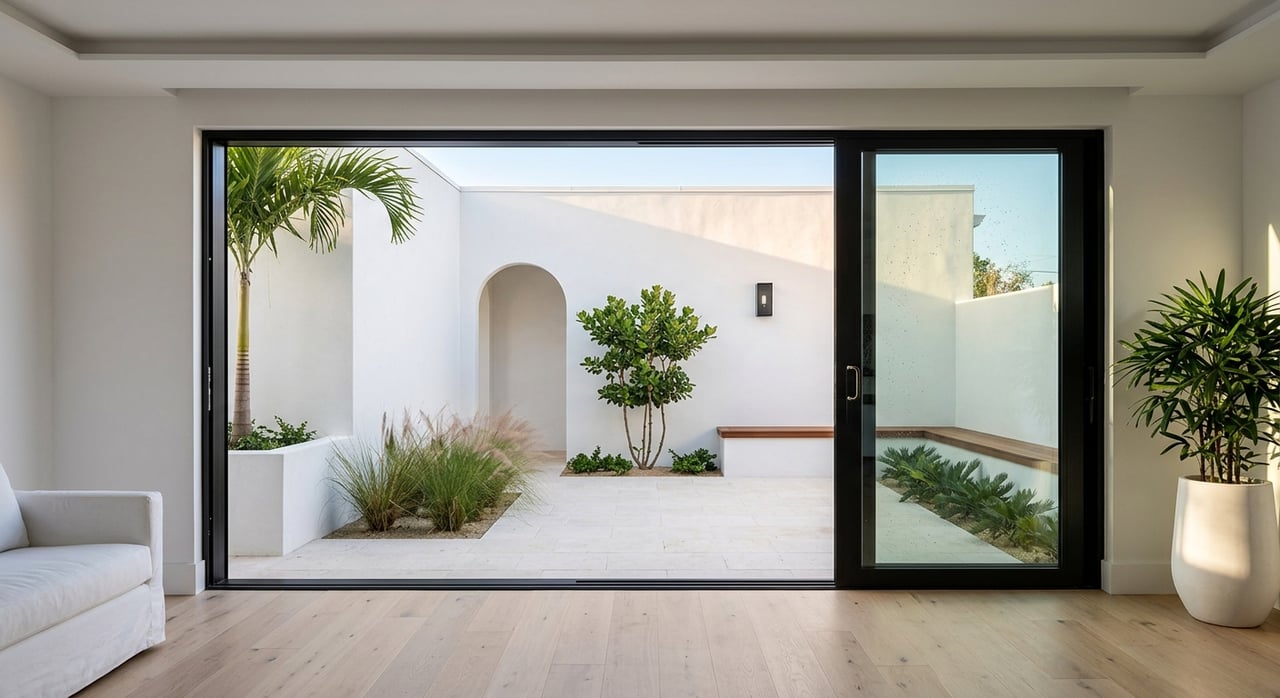
The Department of Energy notes that light-colored ceilings and reflective window treatments can help diffuse daylight, while operable coverings can reduce summer heat gain. In practice, that means layered window treatments often make more sense than replacing the home’s character with oversized glass everywhere.
Smart ways to improve light and comfort
- Use light-toned ceilings to help bounce natural light
- Add woven shades, lined drapery, or other operable coverings
- Choose window treatments that soften glare without darkening rooms
- Be selective with skylights, since they can add summer heat if glazing and shading are not carefully chosen
A cottage should feel bright, but not exposed. In Seagrove, filtered light usually feels better than maximum light.
Keep porches and entry spaces working hard
In Old Seagrove, beach access has long been part of the neighborhood experience. Walton County’s neighborhood plan highlights pedestrian beach access as part of the area’s original pattern, which makes practical entry design especially important. If your cottage handles sand, towels, bags, and flip-flops gracefully, daily life gets easier fast.
A thoughtful drop zone can also protect the rest of the house from wear. It does not have to be elaborate. In fact, simple details often fit the cottage style best.
Useful entry updates for beach living
- A bench for shoes and bags
- Hooks for towels, hats, and tote bags
- Built-in cubbies or closed storage for beach gear
- Washable rugs that can handle sand and moisture
- Easy-clean flooring near the main entry
These features are small, but they support the kind of casual, walkable lifestyle Seagrove is known for.
Choose materials that can handle salt air
Near the Gulf, durability is part of good design. FEMA’s coastal construction guidance notes that salt spray and moisture speed corrosion and decay, and exposed metal fasteners can corrode quickly near the ocean. FEMA recommends stainless steel within 3,000 feet of the coast, especially where salt exposure is strongest.
That guidance translates directly into finish decisions. The materials that look best over time are often the ones that require less rescue work later. In a Seagrove cottage, pretty and practical should go together.
Materials worth prioritizing near the coast
- Corrosion-resistant hardware
- Stainless steel fasteners where appropriate
- Marine-grade exterior light fixtures
- Performance exterior paint
- Sealed trim joints to help limit water intrusion
- Flooring and upholstery that tolerate sand and humidity
FEMA also warns that high winds can damage roof flashing, which can lead to water intrusion, mold, corrosion, and dry rot. So if you are updating exterior finishes, it is wise to think beyond surface beauty and consider how the full exterior assembly is performing.
Make small cottages work for more people
Many Seagrove homes host grandparents, parents, and children under one roof. If you want a cottage to live better for family gatherings or long stays, flexibility matters more than sheer size. AARP’s universal design guidance recommends having a bedroom, kitchen, full bath, and laundry on a level reachable without stairs when possible.
That kind of planning works especially well in a cottage footprint. You do not need a major expansion to improve comfort. Often, the smartest move is to make the main level more complete and circulation easier.
Design updates that improve flexibility
- A main-floor bedroom or suite when layout allows
- A full bath on the main level
- Laundry access without relying on stairs
- Furniture that can be rearranged for different group sizes
- Clear pathways that avoid crowding rooms
These changes can make a home feel more gracious without changing its scale.
Let landscape do part of the design work
In Seagrove, trees are not background. They are part of the architecture of the neighborhood. Walton County’s Old Seagrove plan supports retaining authentic Old Florida character, preserving existing tree canopy, limiting excessive vegetation cutting, and encouraging native planting and canopy restoration when protected trees are removed.
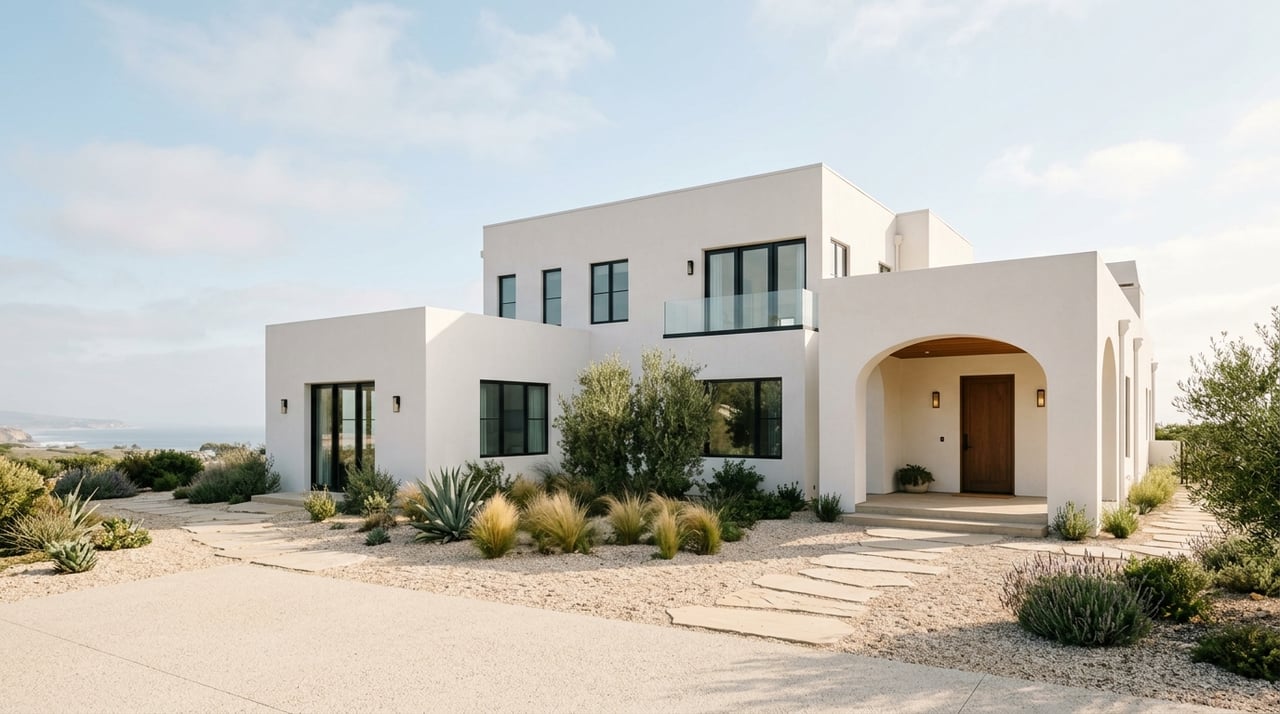
For cottage updates, that points toward a landscape-first approach. Shade, softness, and natural screening often do more for curb appeal than adding hardscape or trying to force a property into a more formal style.
Landscape choices that support cottage appeal
- Preserve mature shade trees where possible
- Reduce unnecessary hardscape
- Use native planting to support a natural look
- Let pathways and porches feel integrated with the landscape
- Restore canopy thoughtfully if protected trees are removed with approval
A classic Seagrove cottage usually looks best when the house and landscape feel inseparable.
Know when design becomes a permit issue
Some updates look cosmetic at first, but in coastal areas they can quickly cross into work that requires review. Walton County’s Building Division handles permits, plan review, inspections, and contractor licensing, and the county states that the 2023 Florida Building Code took effect on January 1, 2024. The county also notes that site review can involve foundation type, flood zone requirements, stormwater, and finish-floor elevation before structural permitting moves forward.
That matters because even exterior refreshes can touch bigger issues. In special flood hazard areas, Walton County requires a development order and a building permit, with Flood Plain Manager review. The county also notes that standard homeowners insurance usually does not cover flooding or storm surge.
Exterior projects that deserve early professional guidance
- Window replacement
- Roof work or flashing repairs
- Exterior envelope changes
- Additions or enclosed porch conversions
- Structural exterior modifications
For homes in the coastal building zone, Walton County requires major habitable-structure plans to be sealed by a Florida-licensed architect or engineer and to comply with state and county coastal standards. Florida code resources also state that glazed openings in wind-borne debris regions must be protected. The practical takeaway is simple: if your update affects the home’s exterior shell, openings, or structure, licensed professionals should guide the process.
What buyers and sellers should notice
If you are buying in Seagrove, design quality is not just about style. It is also about whether a cottage has been updated in ways that respect local character and stand up to the coast. The most appealing homes often show restraint, durable materials, practical beach-house storage, and a clear connection to landscape.
If you are selling, these same details can shape how your property is perceived. A cottage that feels authentic, well maintained, and thoughtfully improved tells a stronger story than one filled with trend-driven choices that could belong anywhere. In a place like Seagrove, a home’s sense of place can be part of its value.
The best cottage updates do not try to outshine Seagrove. They let the neighborhood do what it already does so well: filtered light, walkable beach living, mature trees, and homes that feel relaxed, lasting, and deeply rooted. If you are weighing design decisions before buying, renovating, or listing, local context should lead the conversation.
If you’d like a tailored perspective on how design choices may influence value, livability, or market appeal in Seagrove, LaFlure & Vice would be glad to help.
FAQs
What design updates best preserve classic Seagrove cottage character?
- Focus on restrained palettes, durable coastal materials, practical porch and entry spaces, and updates that preserve scale, shade, and landscape rather than overpowering them.
What materials hold up best for a Seagrove beach cottage?
- Corrosion-resistant hardware, stainless steel fasteners where appropriate, marine-grade light fixtures, performance exterior paint, sealed trim joints, and easy-care flooring and upholstery are strong choices for salt air and humidity.
What layout changes help a Seagrove cottage fit multigenerational stays?
- A main-level bedroom, full bath, kitchen, and laundry access can improve flexibility, along with movable furniture and clear circulation that helps the home feel comfortable for different age groups.
What exterior cottage updates in Walton County may require permits?
- Projects involving windows, roofing, structural exterior changes, additions, enclosed porches, flood-zone considerations, or other envelope work may require permits and review through Walton County.
Why is landscaping important in Old Seagrove cottage design?
- Walton County’s neighborhood plan supports retaining tree canopy, limiting excessive vegetation cutting, and encouraging native planting, so landscaping plays a major role in preserving the area’s authentic Old Florida character.