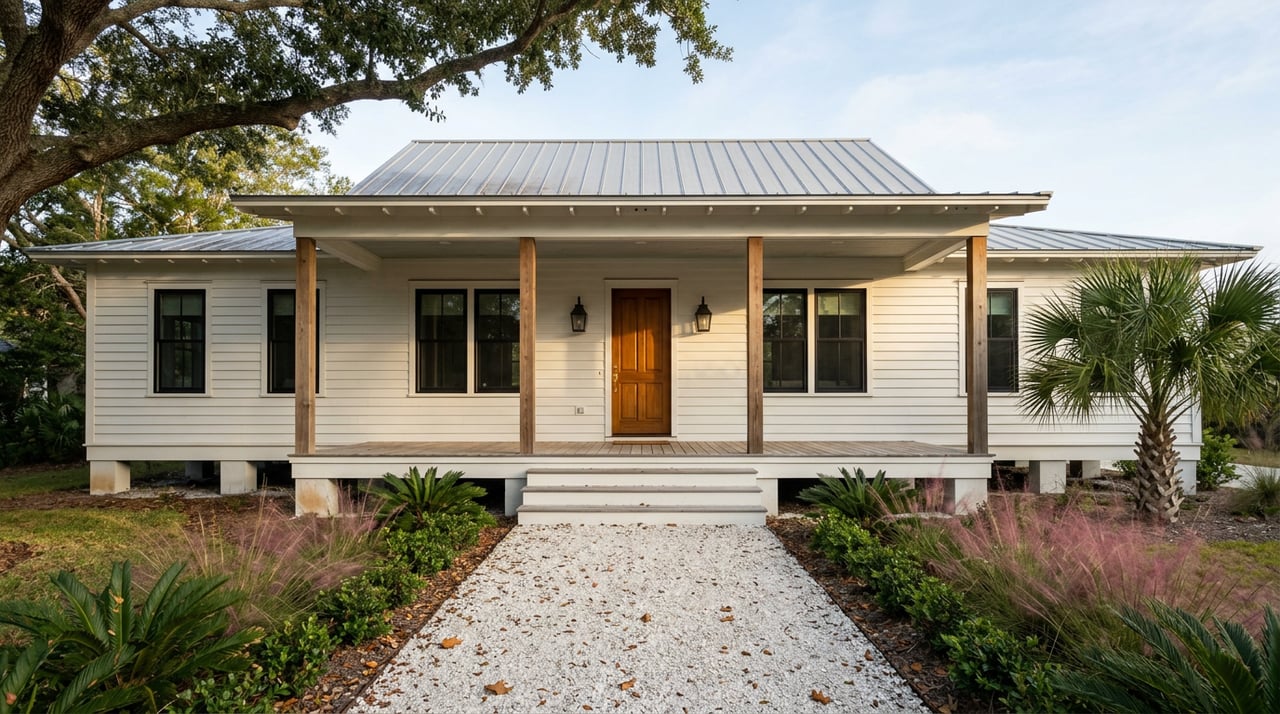
A buyer under contract on a cottage in Old Seagrove pulls up the listing history one more time before closing. The seller's rental statements show steady bookings, a busy calendar through spring break and the Fourth of July, real numbers that made the offer easy to justify. The assumption that follows is a natural one: close on the house, take over the listing, keep the income flowing.
That assumption is wrong, and Walton County will not soften the landing. The Short-Term Vacation Rental Certificate attached to that cottage belongs to the seller, not the property, and it does not survive the closing table.
The certificate is tied to the person, not the house
Walton County's own program staff have been direct about this on record. The Tourism and Livability Coordinator who oversees vacation rental compliance has confirmed that certificates are non-transferable, meaning the credential is issued to a specific owner for a specific address and expires the moment that owner sells. A new buyer does not inherit it, does not get a grace period tied to the old one, and cannot simply update the name on file. The county requires a fresh application from scratch.
That application is not a formality you knock out during a slow afternoon. It calls for registrations with the Florida Department of Revenue, a Florida DBPR vacation rental license, and a Walton County Tourism Development Tax account, all of which need to be active before the county will even look at the certificate paperwork. Add a notarized Affidavit of Compliance, hand-drawn interior and exterior sketches showing occupancy and parking limits, and a designated Local Responsible Party who can physically reach the property within an hour, any hour, and the process stretches well past a signature on a form.
The county doesn't publish a guaranteed turnaround time. If anything in the application is incomplete, the buyer gets 45 days to fix it before an automatic denial, and the fees already paid do not come back. Operate without a valid certificate in the meantime and the exposure is real: fines up to $500 per day, and Walton County's compliance office has moved from warnings to active legal proceedings against non-compliant owners this year. For a buyer who assumed the calendar would just keep filling itself, that is a gap measured in weeks of lost peak-season income, not a rounding error.
Not every Seagrove property needs this certificate at all
Here is where the story complicates itself in a way most rental guides skip past. Seagrove Beach is not one kind of building stock. It is a patchwork of 1940s cottages, newer single-family construction in developments like NatureWalk and Sanctuary at Seagrove, and a handful of mid-rise condominium towers along the Gulf, chief among them BeachCrest and One Seagrove Place.
Walton County's own ordinance draws a hard line between those two categories, and it has nothing to do with which side of 30A a building sits on.
| Property type | County certificate required? | Governed instead by |
|---|---|---|
| Single-family cottages and detached homes (Old Seagrove, NatureWalk, Sanctuary at Seagrove) | Yes | Walton County Ordinance 2023-03 |
| Condominiums (BeachCrest, One Seagrove Place, and similar towers) | No, excluded by definition | Florida Statutes Chapters 509 and 718 |
A buyer comparing a cottage on a quiet Old Seagrove street to a two-bedroom unit at BeachCrest is not comparing two versions of the same paperwork. They are comparing two entirely different regulatory tracks, and confusing the two is an easy way to either apply for something you don't need or skip something the county will eventually notice you're missing. The condo exclusion doesn't mean no rules apply. It means the rules live in state condominium and hotel statutes rather than the county's rental ordinance, so the compliance conversation for a BeachCrest buyer runs through the building's own management structure rather than a county application.
Even the renewal calendar splits along a line most people never think to check
Walton County recently moved to simplify things by aligning its short-term rental renewal date with the state DBPR licensing cycle. Starting with the 2026-2027 cycle, most of the county now renews on a single date, June 1, with the application window opening April 1.
Except Seagrove Beach's own mailing address falls inside ZIP code 32459, and the county explicitly carved that ZIP code out of the new unified schedule. A rental property down the road in Inlet Beach or Rosemary Beach now runs on the June 1 calendar. A cottage in Seagrove Beach, addressed to Santa Rosa Beach, FL 32459, does not automatically follow it.
For a buyer closing later this year, that distinction matters more than it sounds like it should. If you assume your renewal deadline mirrors what a friend with a rental in Inlet Beach just told you, you may be tracking the wrong date entirely for a Seagrove property. The fix isn't complicated once you know to ask. It just requires knowing to ask, and that's exactly the kind of detail that gets lost between a listing sheet and a closing table.
What to verify before you write an offer, not after you sign one
None of this needs to derail a purchase. It needs to move earlier in the process, ideally into the contract itself rather than into a post-closing scramble. Before making an offer on a Seagrove Beach property you intend to rent, it's worth confirming:
- Whether the building is a single-family structure subject to the county certificate, or a condominium governed by state statute instead
- The current certificate status on file with Walton County, including whether it is active, expired, or already in a renewal window
- Which renewal cycle applies to the specific address, given the 32459 carve-out from the county's new unified June 1 schedule
- Whether the seller's advertised rental income assumes an operating certificate the buyer will need weeks to replace
- What the combined tax load looks like on gross rental revenue, since Florida's 6 percent sales tax plus Walton County's 5 percent Tourist Development Tax add up to roughly 11 percent off the top before any expenses
A buyer who builds a short closing delay or a rent-back period into the contract can often bridge the gap between the seller's certificate lapsing and the buyer's own certificate coming through. That's a negotiation, not a guarantee, but it's a far easier conversation to have with two weeks of runway than with zero.
FAQ
Does a Seagrove Beach seller's rental history transfer to the new owner? No. The rental income history can inform your underwriting, but the Walton County certificate that authorizes the rental does not move with the sale. The buyer applies fresh, under their own name, for that specific address.
If I buy a condo in Seagrove Beach, do I need a Walton County rental certificate? Condominiums are explicitly excluded from the county's Short-Term Vacation Rental Certificate program under Ordinance 2023-03. Compliance instead runs through Florida Statutes Chapters 509 and 718, which is a different process handled largely at the building level.
Why does my renewal date differ from a friend's rental in Inlet Beach or Rosemary Beach? Walton County unified most rental certificate renewals to a single June 1 date starting with the 2026-2027 cycle, but explicitly excluded ZIP code 32459, which covers Seagrove Beach addresses under Santa Rosa Beach. Confirm your specific renewal date with the county rather than assuming it matches a property elsewhere on 30A.
What happens if I start renting before my new certificate is approved? Operating without a valid, active certificate exposes the owner to fines of up to $500 per day, and Walton County has moved from a warnings-first approach to active legal proceedings against non-compliant operators this year. It is not a risk worth carrying for the sake of a few extra weeks of bookings.
Seagrove Beach rewards buyers who read past the listing price into the mechanics that actually govern day-to-day ownership. If you're weighing a rental purchase here, whether it's a cottage in Old Seagrove or a unit at one of the Gulf-front towers, LaFlure & Vice can walk the certificate, tax, and timeline details alongside the property itself so nothing surprises you after closing. Request a personalized consultation before you write the offer, not after.