Trying to choose between Seagrove Beach, Rosemary Beach, and Alys Beach on 30A? Each community offers a different feel, set of rules, and ownership experience, which makes the decision both exciting and complex. In this guide, you’ll compare architecture, HOA considerations, beach access, rental potential, and everyday lifestyle so you can match your goals to the right place. Let’s dive in.
Quick vibe check: Seagrove vs Rosemary vs Alys
- Seagrove Beach: Eclectic homes, quieter streets, and a more relaxed approach to design and rules. You’ll find varied lot sizes, pockets with and without HOAs, and an easygoing beach neighborhood feel.
- Rosemary Beach: A New Urbanist town with a village center, tight architectural control, plazas, and pocket parks. You can walk to dining, shops, and the beach, with a lively social scene.
- Alys Beach: High‑design, all‑white architecture with strict standards that keep everything visually cohesive. It feels curated, serene, and resort‑style, with premium finishes and amenities.
Architecture and streetscape
Rosemary Beach
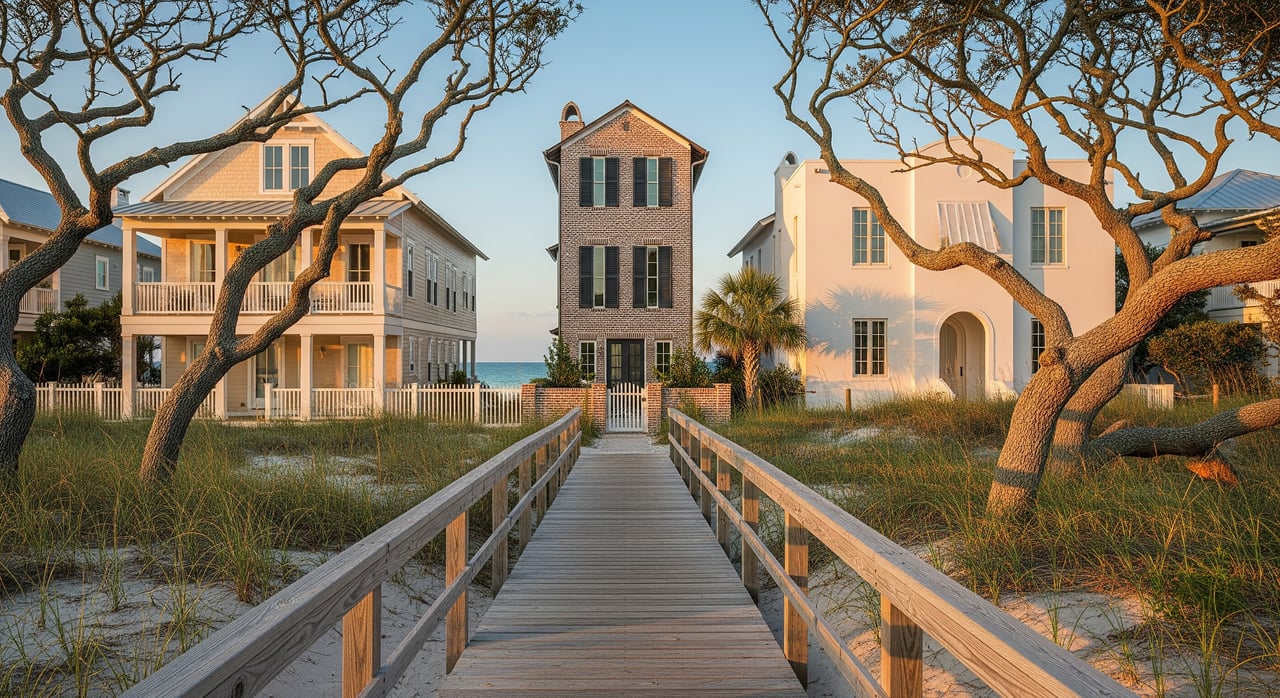
Rosemary features narrow streets, front porches, and a grid layout that encourages walking. You’ll see cohesive but varied materials like stucco, wood, and brick. An architectural review board oversees materials, façades, setbacks, and signage to maintain the New Urbanist vision. Explore the town’s feel and events on the Rosemary Beach site.
Alys Beach
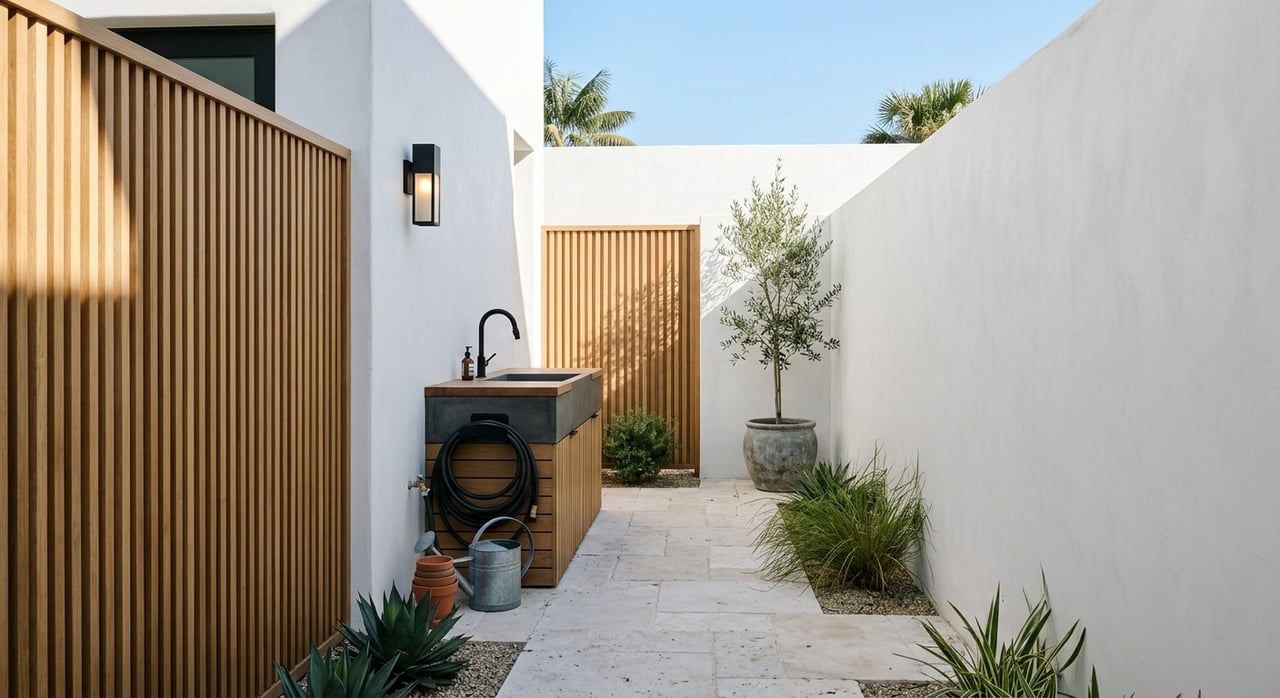
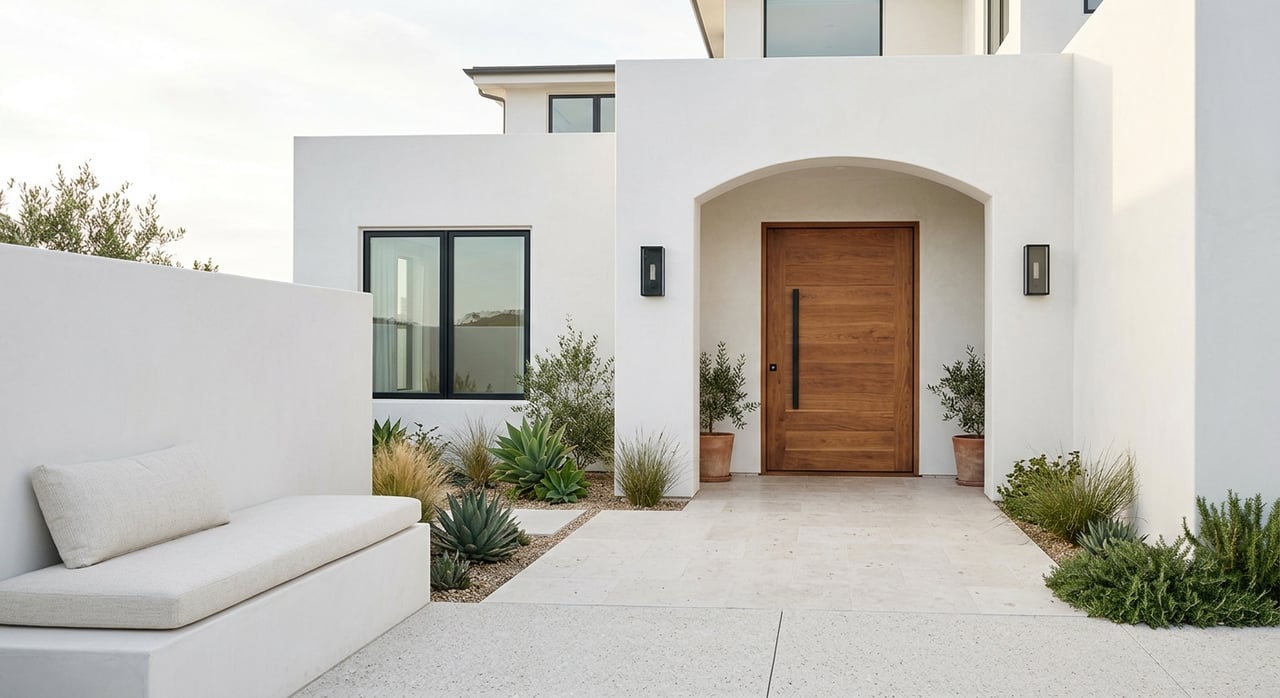
Alys emphasizes white stucco, limestone accents, courtyards, and sculptural details with Spanish and Caribbean influences. Streets and plazas are symmetrical and highly planned to create a calm, elegant streetscape. A strict design review ensures long‑term consistency and appeal. Get a visual sense on the Alys Beach official site.
Seagrove Beach
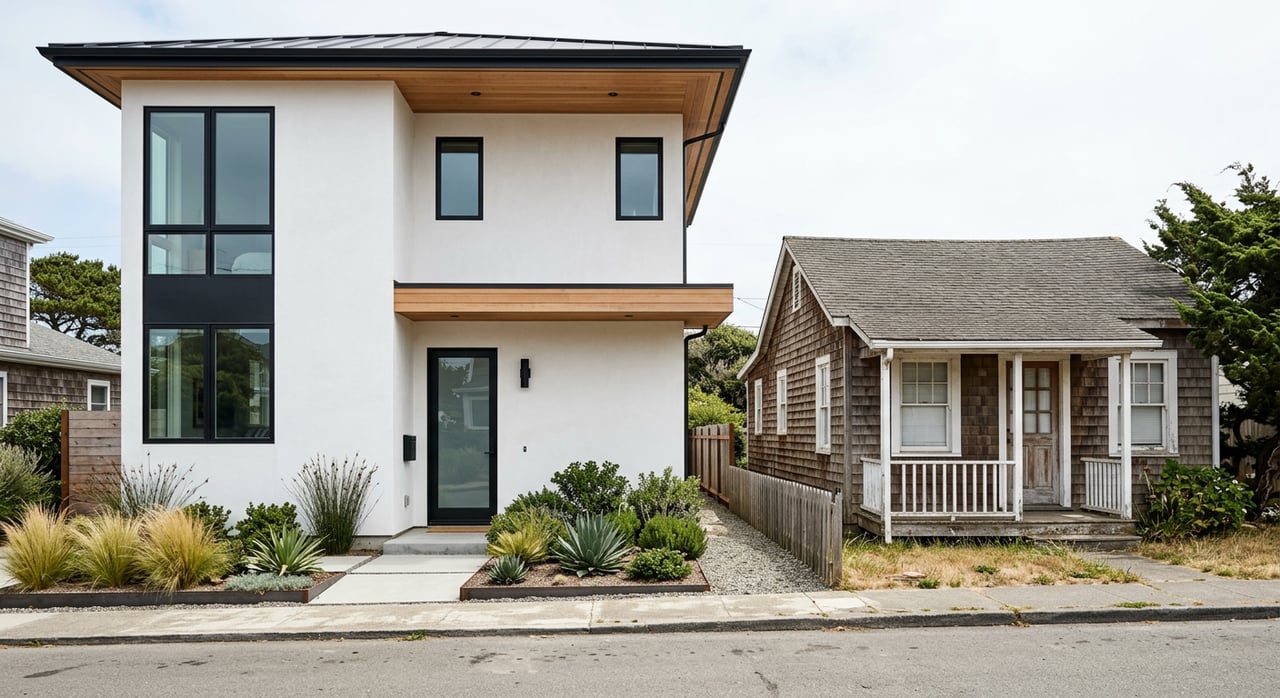
Seagrove is more eclectic. You’ll see classic cottages, modern rebuilds, and duplexes on lots that vary in size and orientation. Some micro‑neighborhoods feel low‑density and private, while others sit near small commercial nodes. Design rules depend on the immediate subdivision, if any, rather than a single community‑wide manual.
HOA, fees, and design rules
In Rosemary and Alys, you’re buying into a master‑planned community with consolidated governance. Fees are generally higher and fund common area landscaping, amenities, security, and sometimes beach access infrastructure. Architectural covenants are strict, and exterior changes usually require approval through an ARB or ACC.
In Seagrove, rules vary by subdivision. Some streets have minimal oversight and low fees, while others have formal covenants. If there’s no HOA, Walton County codes still apply for setbacks, flood elevation, and utilities.
Before you write an offer, request and review:
- CC&Rs, bylaws, design guidelines, and ARB/ACC application steps
- Current budget, financials, reserve study, and special assessments
- Rules on landscaping, exterior lighting, signage, and outdoor furniture
- Rental rules, pet policies, and maintenance responsibilities
For local ordinances and permitting details, start with the Walton County Government.
Beach access and parking
All three areas sit along 30A with convenient shoreline access, but the experience differs. Rosemary and Alys have internal pedestrian paths and designated dune crossovers that align with their walkable design. Parking in town centers can be limited, which helps keep the pedestrian feel. Seagrove has a mix of public beach access points with varying parking options and some neighborhood crossovers.
Practical steps:
- Ask for the nearest crossover and who maintains it.
- Confirm if parking or access is limited to owners and guests.
- Check for seasonal policies or closures related to environmental protections.
For orientation to area amenities and access, use Visit South Walton.
Rental potential and regulations
Short‑term rentals are common in Rosemary and Seagrove, with many homes built for vacation stays. Alys typically sees premium rates with a smaller, design‑driven inventory and more owner usage. In all cases, net returns depend on fees, management, insurance, and seasonality.
What to verify:
- Walton County short‑term rental registration, safety compliance, and tax remittance rules through the Walton County Government
- Community rules, including minimum stays, rental management registration, event limits, and noise or occupancy policies
- Historic rental performance via sellers or professional managers, including occupancy and ADR
Lifestyle and walkability
- Rosemary Beach: You can walk to restaurants, shops, and community events in a lively town center. Pocket parks and plazas create gathering spots.
- Alys Beach: Quiet, refined public spaces and curated events in a visually consistent environment. Walkability is high within the community.
- Seagrove Beach: Understated and relaxed. You’ll find local eateries and stores nearby, with broader 30A amenities a short drive away. Walkability varies by street and sub‑neighborhood.
For a broader view of area amenities and community vibes, start with Visit South Walton.
What to verify before you buy
- Current comps and pricing: Request recent sold comps specific to each community. Check the Walton County Property Appraiser for assessed values and tax history.
- HOA/POA health: Review budgets, reserves, insurance certificates, meeting minutes, and any special assessments.
- Rental rules: Confirm registration requirements and any pending ordinance changes at the Walton County Government.
- Beach access details: Map crossovers, parking, and maintenance responsibility. Ask about erosion patterns or renourishment.
- Insurance and flood: Use the FEMA Flood Map Service Center to check flood zones. Get quotes for wind and flood coverage.
- Utilities and roads: Confirm sewer or septic, stormwater drainage, and who maintains the roadways.
- Design approvals: Ask the ARB/ACC about review timelines, approved materials, and renovation scope.
- Vendor network: If renting or part‑time, identify managers, landscapers, hurricane prep, and restoration professionals.
Buyer decision checklist
- Intended use: Will this be a personal retreat, seasonal home, or an STR‑forward investment?
- Budget envelope: Include purchase price, HOA/POA fees, insurance, taxes, management, and maintenance.
- Design preference: Do you want a curated, cohesive look (Alys), a village‑style plan with mixed uses (Rosemary), or an eclectic cottage feel (Seagrove)?
- Rule tolerance: Are you comfortable with strict covenants and ARB reviews, or do you prefer fewer restrictions?
- Rental goals: Target high nightly rates, steady occupancy, or lower turnover with premium positioning?
- Walkability: Need daily dining and retail within a short walk or prefer a quieter, spread‑out setting?
- Access and parking: Confirm owner and guest parking, plus practical beach logistics.
- Resilience: Review elevation, flood zone, wind mitigation features, and estimated insurance.
- Timeline: If renovating, factor ARB and county permitting into your move‑in schedule.
Touring game plan
- Set your total budget with recurring costs included.
- Ask for comps and rental performance data for each community and property type.
- Request CC&Rs, design guidelines, and association financials before offering.
- Check flood zones on the FEMA Flood Map Service Center and get insurance estimates.
- Tour at different times and seasons to see traffic, parking, and noise patterns.
- Meet a local property manager to understand net returns and seasonal maintenance.
- If design or renovations matter, speak with the ARB in advance about scope and timing.
Which 30A town fits you?
Choose Seagrove if you want an easygoing neighborhood feel, more varied lots, and flexible design possibilities. Pick Rosemary if you value walkable streets, a lively town center, and consistent architecture with rental infrastructure. Select Alys if you seek a quiet, high‑design environment with strict standards that protect long‑term visual quality.
If you’re ready to compare specific properties and rules side by side, we can help you line up the right options, documents, and numbers. Reach out to LaFlure & Vice to request a personalized consultation.
FAQs
What are the biggest differences in architecture among Seagrove, Rosemary, and Alys?
- Rosemary is New Urbanist and walkable, Alys is high‑design and all white, and Seagrove is eclectic with varied lot sizes and styles.
How strict are HOA rules in Rosemary Beach and Alys Beach?
- Both use formal design review and strict covenants, with approvals required for exterior changes and rules covering landscaping, lighting, and signage.
Is Seagrove Beach good for buyers who want fewer restrictions?
- Often yes. Many streets or subdivisions have lighter rules, though specifics vary and county codes always apply.
How does beach access compare across the three areas?
- Rosemary and Alys have integrated pedestrian paths and designated crossovers. Seagrove relies on a mix of public access points and neighborhood crossovers.
What should I check if I plan to rent my 30A home short‑term?
- Verify Walton County registration rules, community rental policies like minimum stays, and request historic occupancy and ADR from managers or sellers.
What insurance and flood items should I review before buying?
- Confirm flood zone on the FEMA Flood Map Service Center, request elevation certificates, and get quotes for wind and flood coverage.