What if your commute started with a sunrise walk on white sand and a bike ride for coffee under coastal pines? If you’re drawn to easy routines, natural beauty, and a slower rhythm, Seagrove Beach along Scenic Highway 30A might feel like a fit. You want to understand how daily life works here, not just the postcard moments. In this guide, you’ll get a grounded picture of everyday living in Seagrove, plus practical tips if you’re considering a purchase. Let’s dive in.
What Seagrove feels like day to day
Mornings in Seagrove are unhurried. You see joggers and cyclists on the paved 30A path, families strolling boardwalks over the dunes, and quiet coffee stops before the beach fills in. Daytime brings shallow Gulf waters, paddleboards gliding along the shoreline, and easy bike trips to shops and casual dining nearby.
Evenings are porch time and simple seafood dinners. In spring and summer, the area buzzes with visitors and community events. Shoulder seasons in spring and fall are favorites for many owners because the pace softens while the weather shines. Winter is calm and reflective.
Beaches and access
South Walton beaches are known for white quartz sand, clear Gulf water, and a backdrop of protected dunes. You access the beach via raised boardwalks that preserve dune systems. Many access points have small or limited parking, so you often walk or bike from nearby homes.
Stewardship is part of daily life along this coast. You’ll notice roped dune areas and signage. Sea turtle nesting season typically runs from May 1 to October 31, which brings rules on beachfront lighting, beach furniture, and nightly pet restrictions to protect nests. You may also see periodic dune restoration or nourishment projects that support long‑term erosion management.
Bike culture on 30A
A long paved multi‑use trail parallels Scenic Highway 30A, often called the Timpoochee Trail. It links beach towns and makes short trips by bike or on foot practical. You’ll spot families on cruisers, older residents on e‑bikes, and cargo bikes carrying beach gear.
During peak season, bike traffic can be busy around village centers. Public racks are common, which makes quick stops easy. Parking for cars can be tight at peak times, so the bike‑first mindset feels natural and helps you avoid crowds.
Dining, markets, and community
The dining scene blends casual beach cafés, seafood spots, and a few refined coastal options. Outdoor seating is common, and sunset meals become a ritual when weather allows. You’ll also find small shops, galleries, and surf stores scattered through nearby nodes.
Community life thrives in the open air. In high season you can expect art markets, farmers’ markets, outdoor concerts, and charity runs around the 30A corridor. These events are part of the social pulse and are easy to fold into your weekly routine.
Green spaces and water play
Beyond the Gulf, you’ll find pocket parks, shaded corners under scrub oaks, and preserved coastal vegetation. Boardwalks cross sensitive areas so you can enjoy the landscape without impacting it.
Dune lakes and coastal lakes exist along parts of 30A and offer calm waters for kayaking or paddleboarding close to shore. Conservation efforts help maintain these natural features, and the multi‑use path gives you another way to experience the coastline at a slower pace.
Homes: cottages to coastal modern
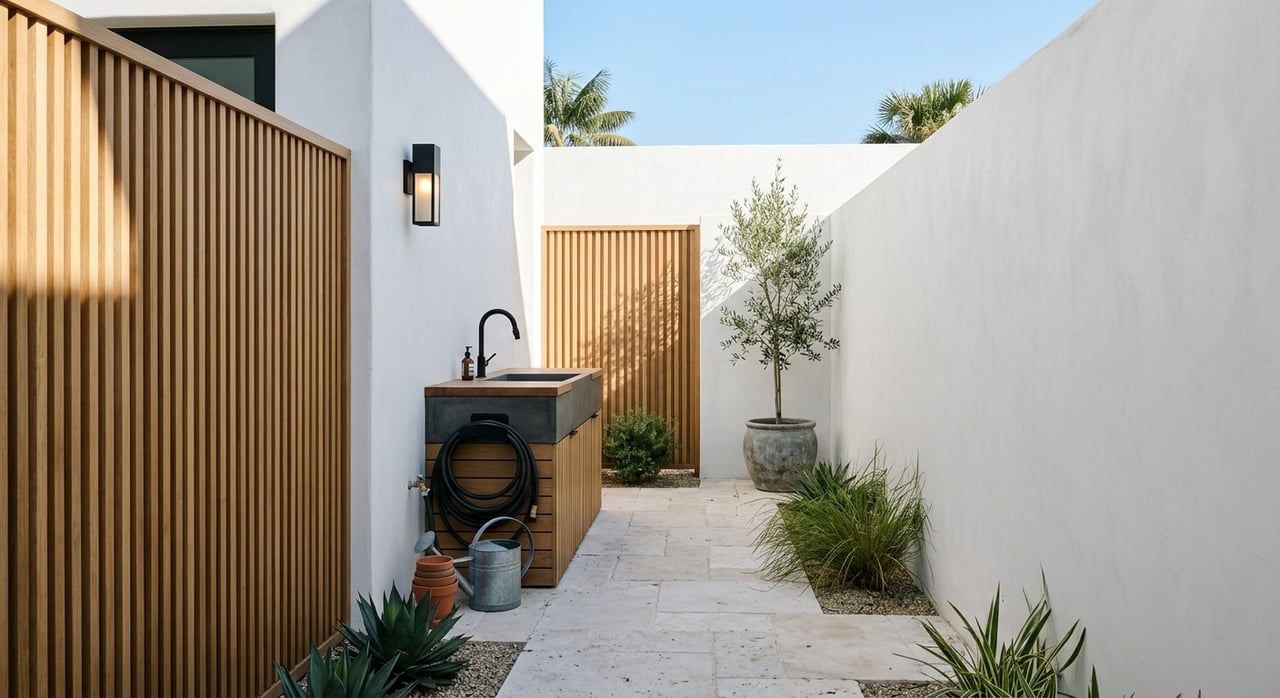
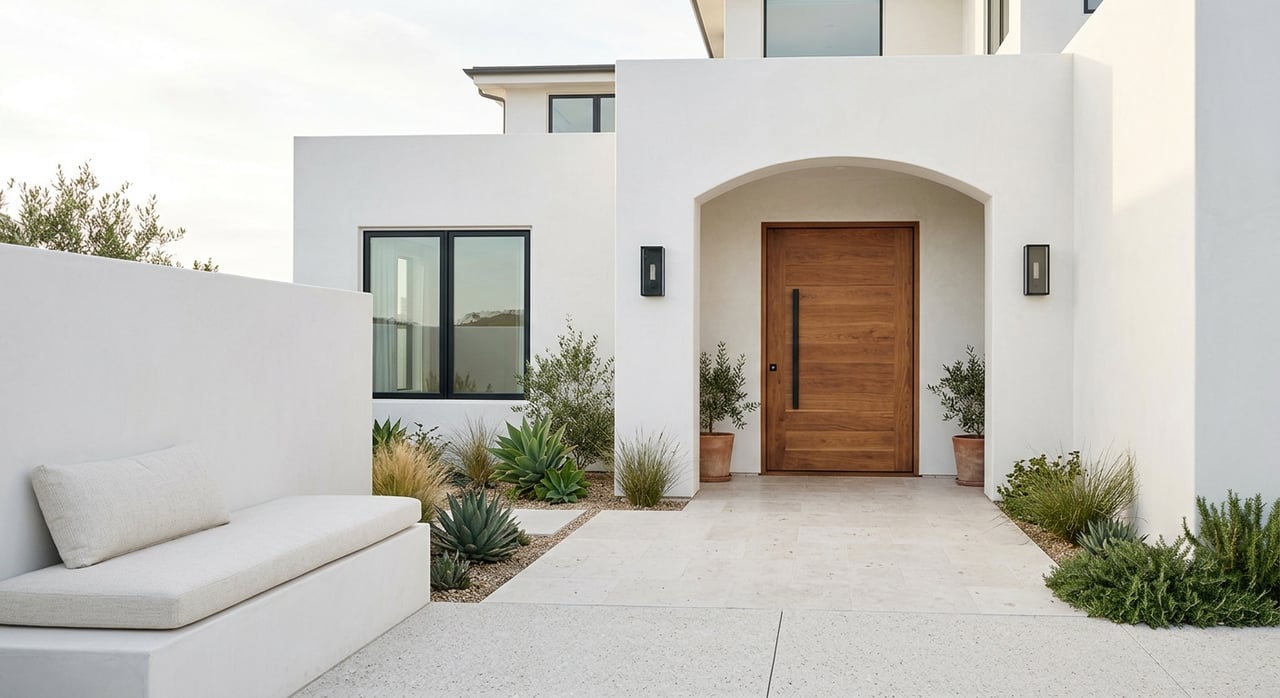
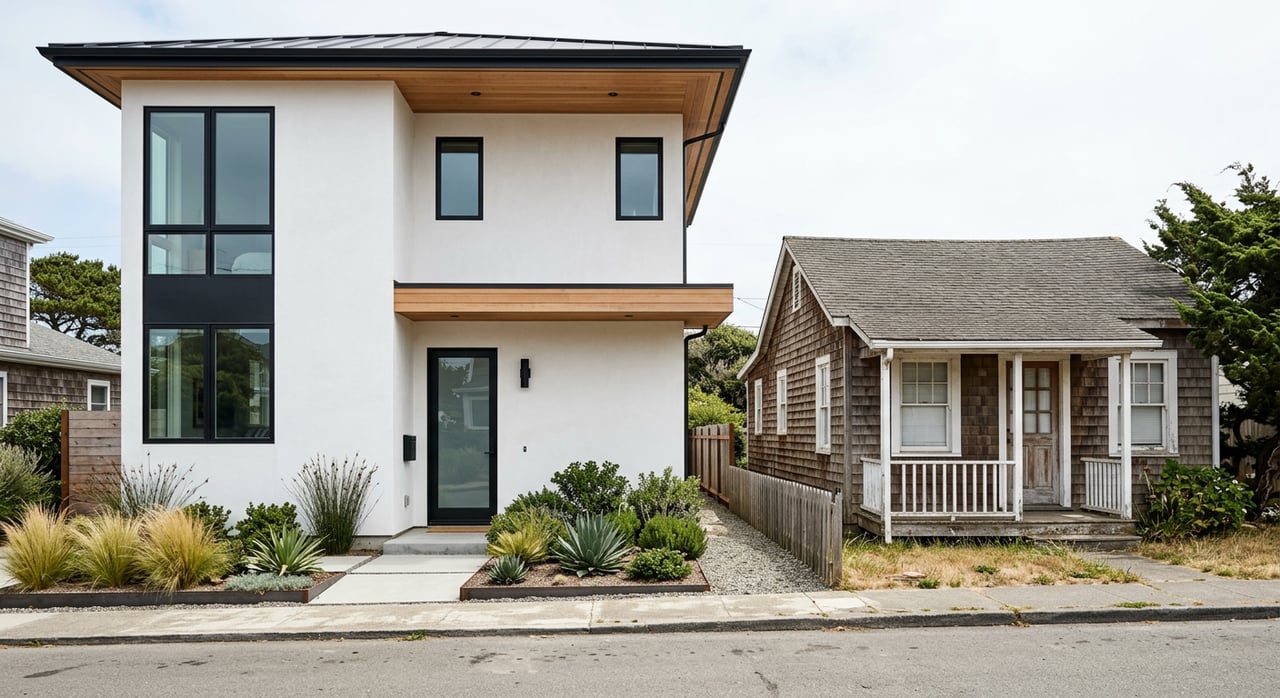
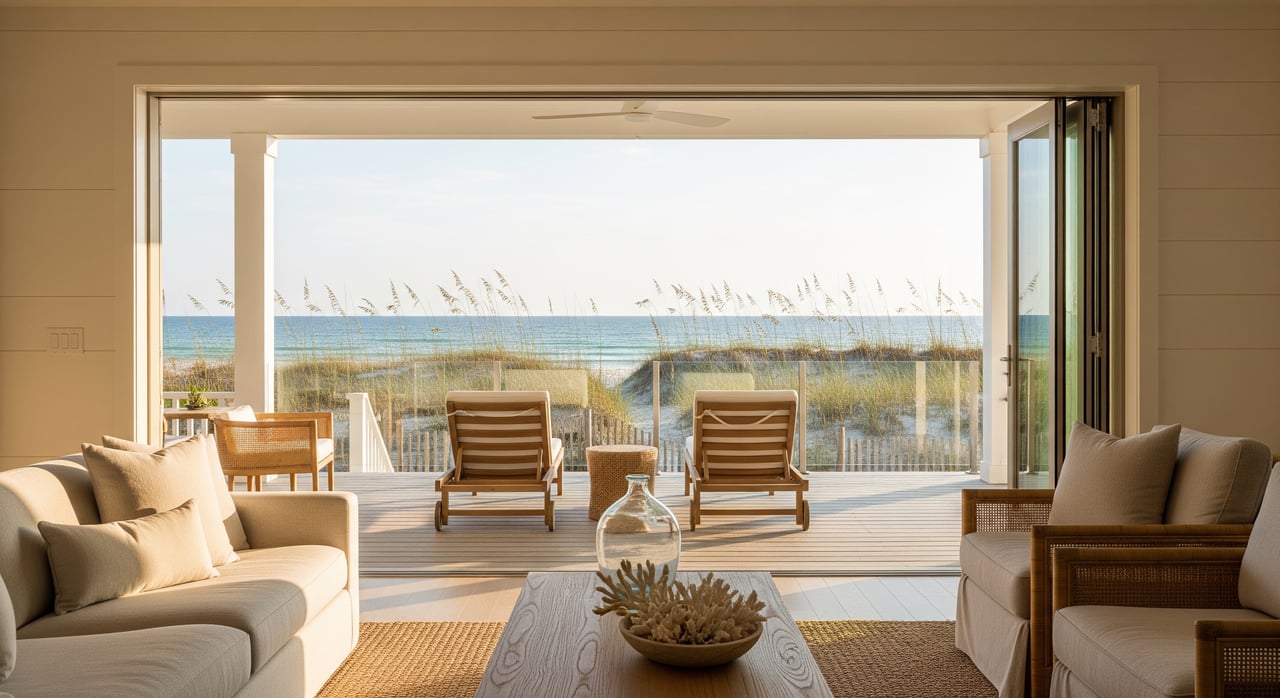
Seagrove shows a patchwork of classic beach cottages and newer coastal modern builds. Many traditional cottages have been renovated with porches and light‑filled interiors. Newer homes often lean into glass, airy volumes, and indoor‑outdoor flow, with elevated construction for flood resilience.
Some neighborhoods include design guidelines, HOAs, and building standards. Coastal codes influence height, setbacks, and elevation requirements, especially near the water. Many properties serve as second homes or vacation rentals, so you should understand rental rules, seasonal demand, and management options before you buy.
If you’re buying: practical basics
Seagrove works for both seasonal and year‑round living. The rental market has historically been strong, but performance varies by property type, location, and management.
Here are core topics to evaluate early:
- Ownership and use. Request documented rental histories, occupancy schedules, and details on management vendors if income potential matters to you.
- HOA and ordinances. Review rental frequency rules, permitting, and marketing limits. Governing documents shape what you can do.
- Flood and wind insurance. Much of coastal Walton County sits in FEMA flood hazard zones. Lenders often require flood insurance, and wind coverage is a major factor. Get property‑specific quotes and review elevation certificates.
- Construction and resilience. Look for elevated foundations, impact windows, shutters, and wind mitigation reports that can help with insurance and peace of mind.
Buyer due diligence checklist
Before you submit an offer, line up the details that matter along this coast:
- Request an elevation certificate and a FEMA flood zone determination.
- Obtain a recent survey and confirm boundaries.
- Review HOA bylaws, rental restrictions, and design guidelines, if applicable.
- Ask for documented rental income and expenses if the property is marketed for investment.
- Get multiple insurance quotes for wind and flood based on property specifics.
- Hire an inspector experienced in coastal homes to assess roof, HVAC, moisture, salt corrosion, and structural elements.
- Confirm utility connections, including water and sewer, or verify septic system records and maintenance.
- Investigate past storm damage and any mitigation work, such as impact glazing or roof improvements.
- Check permitting timelines and constraints if you plan renovations or additions.
Seasonal rhythm and storm readiness
Spring through summer is the busiest period along 30A. That can be ideal if you enjoy an active scene and community events. Many owners also love spring and fall for more space on the sand and great weather.
Hurricane season runs from June to November. Sellers often provide records for shutters, impact windows, or other upgrades. Seasonal residents should know evacuation routes and Walton County emergency guidance. If you intend to rent during peak months, build flexibility into occupancy plans during storm watches and potential closures.
Living logistics: utilities and errands
Many neighborhoods connect to county water and sewer, while others rely on septic systems. Verify your setup during due diligence and request maintenance records.
Trash, recycling, pest control, and short‑term rental cleaning are widely available. Costs can rise in peak season, so plan ahead for vendor scheduling. You’ll find small markets and specialty shops close by, with larger supermarkets and services a short drive away in nearby towns on or near 30A.
Is Seagrove right for you?
Choose Seagrove if you love a bikeable, coastal‑casual rhythm with easy beach access, community events, and a blend of classic and modern homes. You also value the practical side: understanding insurance, seasonal flow, and how HOA rules and conservation shape daily life.
If you want discreet guidance and a curated search that aligns lifestyle, design, and resilience, our team is here to help. For elevated marketing and buyer representation backed by deep local knowledge and global reach, connect with LaFlure & Vice. Request a personalized consultation and let’s map the right next step.
FAQs
How bikeable is Seagrove for daily errands?
- The 30A multi‑use trail supports short trips by bike or foot between beaches, shops, and nearby neighborhoods, with public bike racks at commercial areas.
What should I know about beach access and parking in Seagrove?
- Beach boardwalks provide access over protected dunes, and parking at popular access points is limited, so many residents and visitors walk or bike.
Is Seagrove Beach suitable for year‑round living?
- Yes, seasonal owners and year‑round residents both call Seagrove home, with a quieter pace in off‑season months and a busier spring and summer.
When is sea turtle nesting season and what are the rules?
- Nesting season typically runs May 1 to October 31, with restrictions on beachfront lighting, removal of beach furniture at night, and pet rules to protect nests.
How does hurricane season affect owning a home in Seagrove?
- Hurricane season runs June to November; plan for insurance, wind mitigation, and evacuation guidance, and review any seller‑provided upgrades like shutters or impact windows.
What should I consider about flood and wind insurance in Seagrove?
- Many properties are in FEMA flood zones, lenders often require flood coverage, and wind insurance is common, so obtain property‑specific quotes and review elevation certificates.
Are there schools and medical services near Seagrove?
- Primary schools and clinics are in larger nearby towns on or near 30A, and regional hospitals are within a drive; confirm district boundaries if schools are a priority.