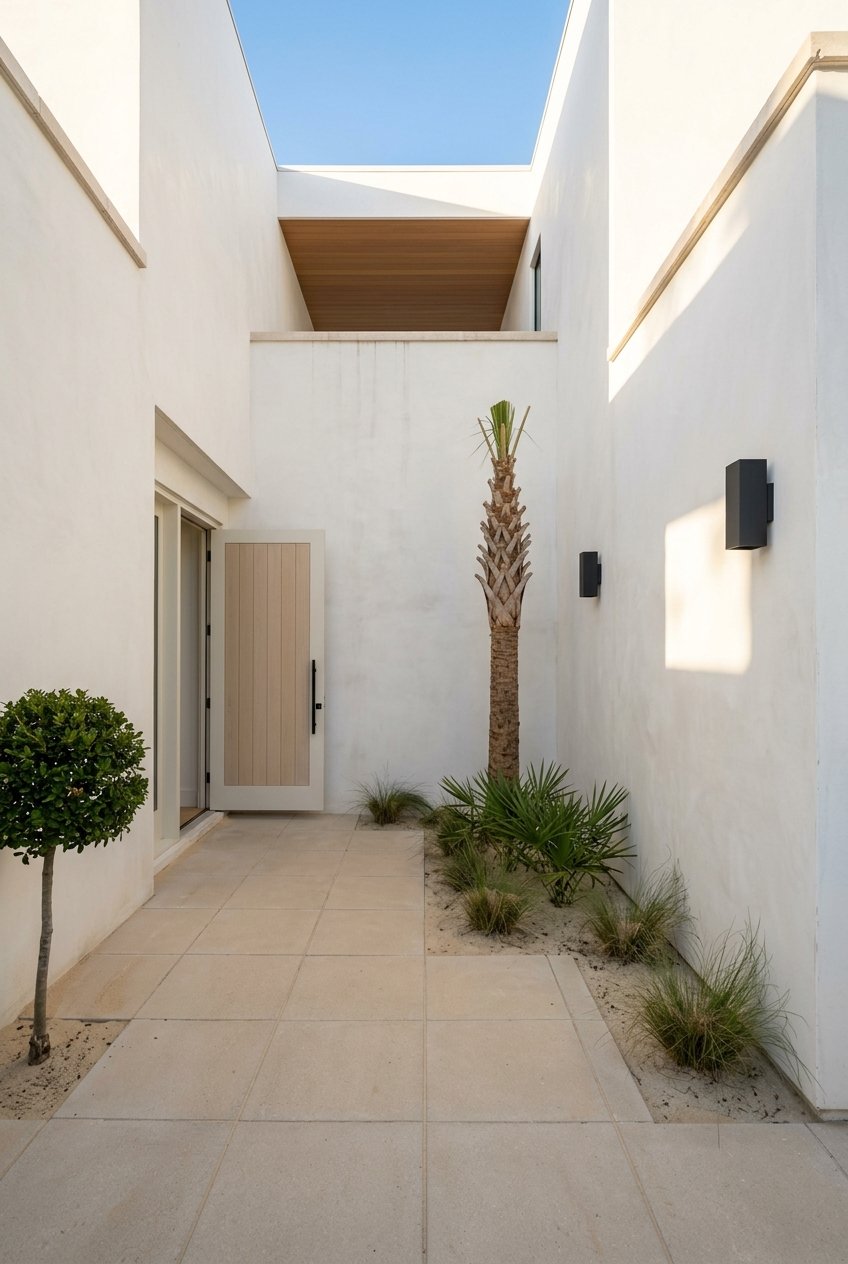
Ever wonder why one Seagrove Beach home feels like a breezy, bike-to-the-beach cottage while another feels like a dramatic coastal retreat above the dunes? In Seagrove, architecture does more than shape curb appeal. It influences how you move through the day, how much privacy you feel, and even how much maintenance your home may need. If you are thinking about buying or selling here, understanding that connection can help you make a smarter, more confident decision. Let’s dive in.
Seagrove’s setting shapes its architecture
Seagrove Beach reads differently from many planned coastal communities because its identity comes from both the built environment and the natural one. Official neighborhood descriptions describe Seagrove as a classic Gulf Coast beach neighborhood with cottages, newer accommodations, and a canopy of oaks and magnolias that still defines the streetscape.
That landscape matters. Walton County’s Old Seagrove Neighborhood Plan notes that the historic core was first platted in the early 1930s in a classic grid pattern with tree-named streets, and the plan aims to preserve those historical development patterns, the tree canopy, and the existing street footprint.
For you as a buyer or homeowner, that means Seagrove often feels like a layered beach village rather than a single-style development. The roads, trees, and pedestrian beach access points are part of daily living, not just background scenery.
Seagrove homes tell a layered style story
Cottage roots still define the neighborhood
Seagrove’s earliest development helps explain why so many homes here still feel personal and porch-oriented. Local historical accounts describe an original vision of deeded beach, concrete block cottages, sand roads, and a neighborhood store.
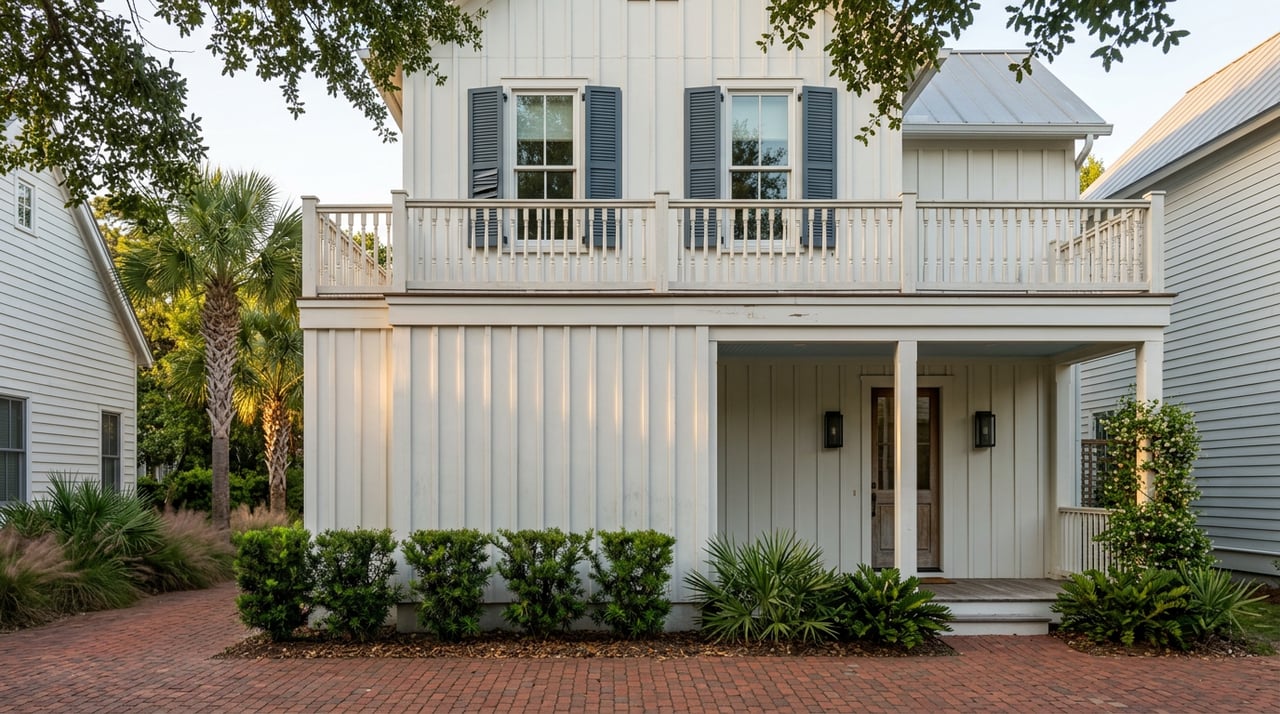
That early pattern still echoes today in smaller-scale homes and older cottage forms. Even when a house has been updated, the surrounding lot pattern and street rhythm often preserve that relaxed beach-neighborhood character.
Mid-century and vernacular influences add variety
By the late 1940s, contemporary construction techniques had become more common in the area, while some homes still echoed vernacular traditions and others began to reflect Modern design influences. As a result, Seagrove does not present one fixed architectural language.
You may see bungalow-like homes, simple vernacular-inspired structures, and houses that bridge old Florida character with cleaner, more contemporary lines. That variety is part of Seagrove’s appeal, especially for buyers who value individuality over strict uniformity.
Newer coastal homes shift the scale
Walton County’s neighborhood plan notes that later growth introduced disproportionately sized short-term vacation rental units that replaced some smaller cottage-style lots with larger homes. That has changed the visual rhythm on certain streets.
In practical terms, you can expect a wider range of scale in Seagrove than in neighborhoods built under tighter architectural controls. One block may feel intimate and shaded, while the next feels more vertical, open, and modern.
How architecture changes daily life in Seagrove
Walkability starts with the layout
Seagrove’s historic street pattern and preserved beach access network support a more relaxed routine. Official neighborhood information notes five pedestrian beach accesses, while local area guides point to nearby features like Eastern Lake, Deer Lake, and the Timpoochee Trail.
That combination makes it easier for daily life to revolve around walking, biking, and short beach outings. In many parts of Seagrove, your home’s design works together with the neighborhood layout to make those habits feel natural.
Porches, entries, and outdoor rituals matter
In a place where beach trips and bike rides are part of the rhythm, architecture tends to support quick transitions between indoors and outdoors. Smaller cottages and porch-oriented homes often feel especially suited to simple routines like rinsing off after the beach, storing bikes, or gathering outside in the evening.
Larger elevated homes may deliver a different version of coastal living. They often emphasize outlook, breezes, and layered outdoor spaces rather than the compact, ground-level feel of an older cottage.
Lot position affects privacy and atmosphere
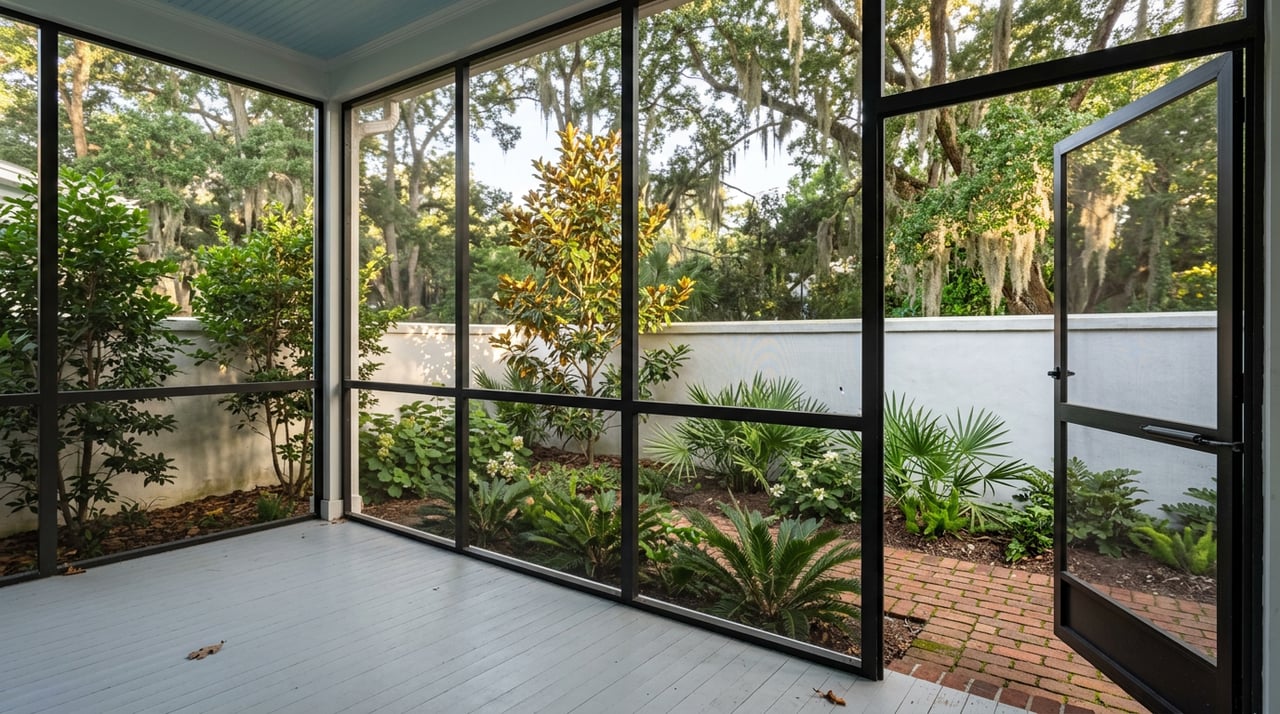
How a home sits on its lot can shape your everyday experience just as much as its floor plan. Under a dense tree canopy, a property may feel cooler, more shaded, and more screened from nearby homes.
Closer to open dune or Gulf exposure, the feel may shift. Those sites can read brighter, windier, and more dramatic, which some buyers love for the sense of openness and light.
What design-minded buyers should notice
Raised homes are often practical choices
In Seagrove’s coastal setting, elevation is not just a visual feature. Florida’s Beach and Coastal Construction Control Line program exists to protect beach and dune systems from structures that are poorly located or designed, helping reduce erosion, dune destabilization, storm damage exposure, and interference with public access.
That context helps explain why many coastal homes prioritize elevation, site placement, and durable exterior design. A raised home may feel architectural, but it is also often responding to the realities of building near the coast.
Coastal materials need close attention
Maintenance is a major part of owning near the water. FEMA’s coastal guidance notes that storm surge, waves, erosion, moisture, and humidity can accelerate corrosion in coastal areas, and it recommends corrosion-resistant connectors and fasteners for structures exposed to floodwater or windblown rain.
For homes within roughly 3,000 feet of the coast, stainless steel is recommended where rapid corrosion is expected. That does not mean every visible element will show wear quickly, but it does mean material choices deserve a close look during your search.
Shade and exposure each come with tradeoffs
A shaded lot can feel more private and temper the intensity of sun exposure, but it may also require more attention to moisture, debris, and organic buildup. A more exposed lot may feel brighter and more open, though salt, wind, and sun can be tougher on finishes.
Neither is automatically better. The right fit depends on whether you value screening and softness or openness and long views in your day-to-day life.
A smart Seagrove showing checklist
When you tour a home in Seagrove, it helps to look beyond style and focus on how the house is performing in its coastal environment. A design-savvy walk-through should include both atmosphere and durability.
Here are a few items worth checking:
- Look for corrosion on railings, fasteners, and exterior hardware.
- Review the condition of decks, stair systems, and elevated entries.
- Check roof edges, flashing, and exterior trim for signs of salt and moisture wear.
- Assess drainage and landscaping near dune-sensitive areas.
- Consider whether the home’s foundation and elevation strategy make sense for its flood exposure.
These details can tell you a lot about how thoughtfully a property has been built, updated, and maintained.
What this means for buyers and sellers
If you are buying in Seagrove, architecture should be part of your lifestyle analysis, not just your style preference. The right home for full-time use may look different from the right home for seasonal use, especially when you consider maintenance, outdoor flow, and proximity to beach access.
If you are selling, understanding the architectural story of your home can help shape better positioning. Buyers are often responding not only to square footage and finishes, but to the way a property lives within Seagrove’s canopy, street pattern, and coastal setting.
That is especially true in a market where homes vary widely by age, scale, and character. Clear storytelling around setting, design, and everyday function can help your property stand apart.
If you want help evaluating how a Seagrove property’s design, setting, and lifestyle fit come together, LaFlure & Vice offers personalized guidance for buyers and sellers across 30A.
FAQs
How does Seagrove Beach architecture affect everyday living?
- Seagrove architecture affects how you experience shade, privacy, walkability, outdoor living, and maintenance, especially because the neighborhood combines historic cottage patterns, tree canopy, and coastal site conditions.
What home styles are common in Seagrove Beach?
- Seagrove includes a mix of older cottage-style homes, bungalow or vernacular-inspired houses, some mid-century influences, and newer larger coastal homes with more contemporary profiles.
Why are many Seagrove Beach homes elevated?
- Many Seagrove homes are elevated because coastal design often responds to storm exposure, dune protection, and site conditions that make elevation and careful placement practical choices.
What should buyers check when touring a Seagrove Beach home?
- Buyers should look closely at corrosion, exterior hardware, decks, stairs, roof edges, flashing, drainage, landscaping near sensitive areas, and whether the home’s elevation and foundation suit its coastal exposure.
Does a shaded lot in Seagrove Beach feel different from an exposed lot?
- Yes. A shaded lot may feel cooler, more private, and more screened, while a more exposed lot may feel brighter, more open, and more affected by sun, salt, and wind.