Two buyers make offers on Rosemary Beach homes the same week, both around $2 million, both under contract at asking. One leaves the closing table having written a single extra check. The other writes three, and the largest of them was never on either listing sheet. The difference has nothing to do with negotiating skill. It comes down to what kind of structure each property is, whether it was recently built or renovated, and what each buyer plans to do with it after closing.
That is the part of buying in Rosemary Beach that rarely makes it into a pre-offer conversation: the fees that attach to a property here are not a flat percentage everyone pays alike. They are conditional, triggered by specific facts about the building and the buyer's intent. Knowing which conditions apply to your specific purchase, before you remove contingencies, is the difference between a closing statement that matches your expectations and one that doesn't.
The 1% that isn't optional
Rosemary Beach's Property Owners Association charges a transfer fee equal to 1% of the purchase price, paid by the buyer at closing. On a $2 million home, that's a $20,000 line item that shows up nowhere on the MLS sheet and nowhere in the list price. It is not negotiable in the way a home price is. It is a condition of ownership transfer within the association, assessed every time the property changes hands.
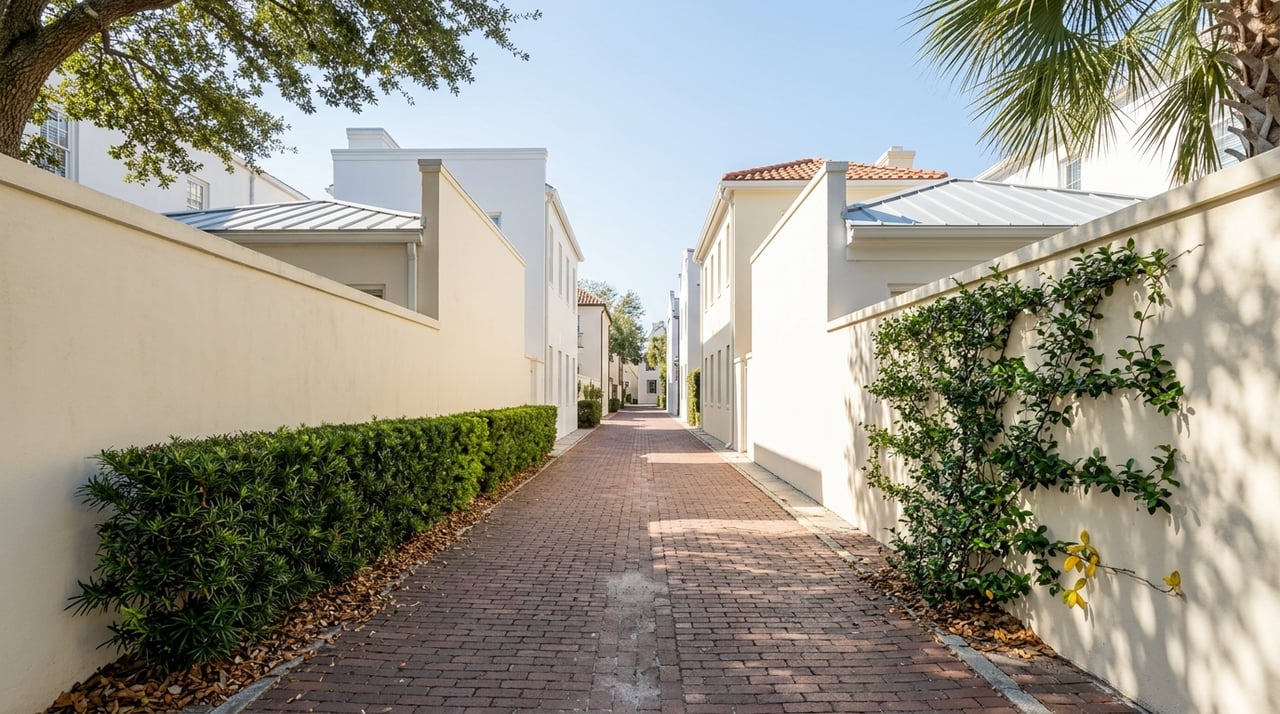
This fee funds the infrastructure that makes Rosemary Beach look and function the way it does: the cobblestone streets, the boardwalks, the common green spaces that sit behind every home regardless of which of the town's building types it belongs to. It is worth budgeting for as a fixed percentage of your offer price from the moment you start writing numbers on a term sheet, not as a surprise once the settlement statement arrives.
The dues gap that has nothing to do with negotiating
Ask two agents what Rosemary Beach HOA dues run and you may get two different answers, and both could be correct, because dues here scale with property type. As of 2026, detached single-family homes carry quarterly RBPOA dues of $1,592, or $6,368 annually. Condominium units run considerably higher: $5,144 per quarter, or $20,576 a year.
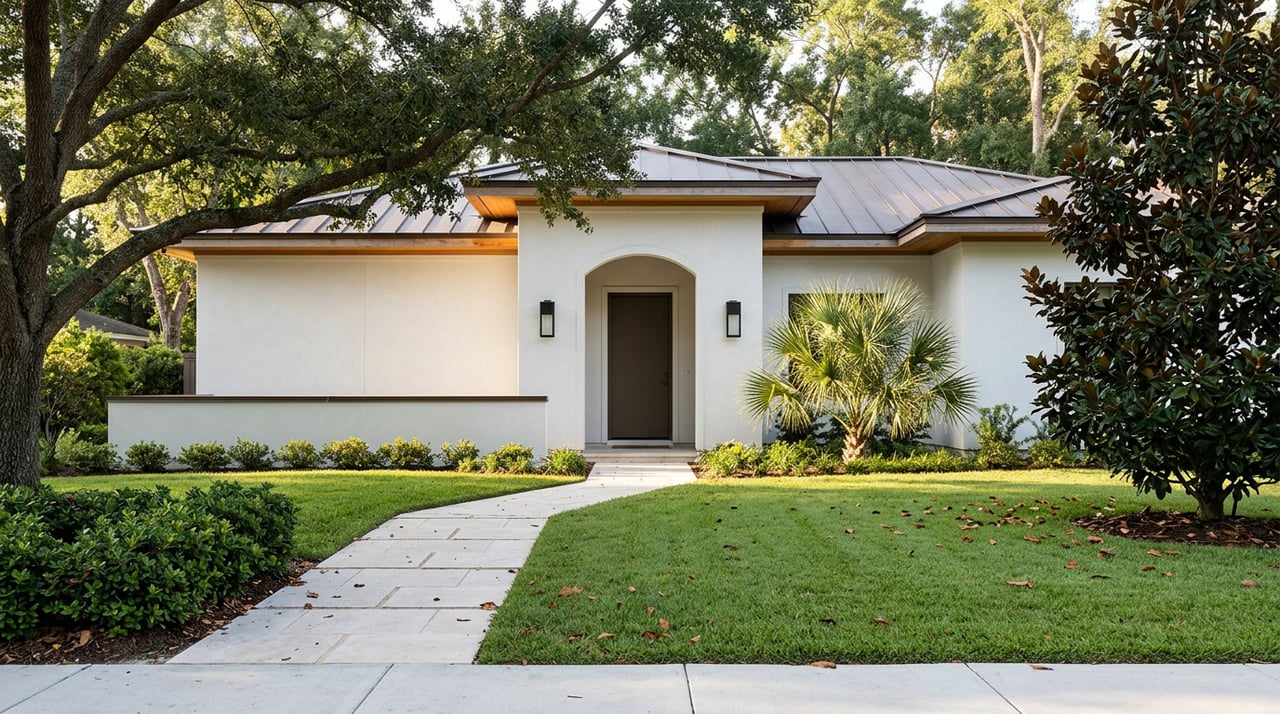
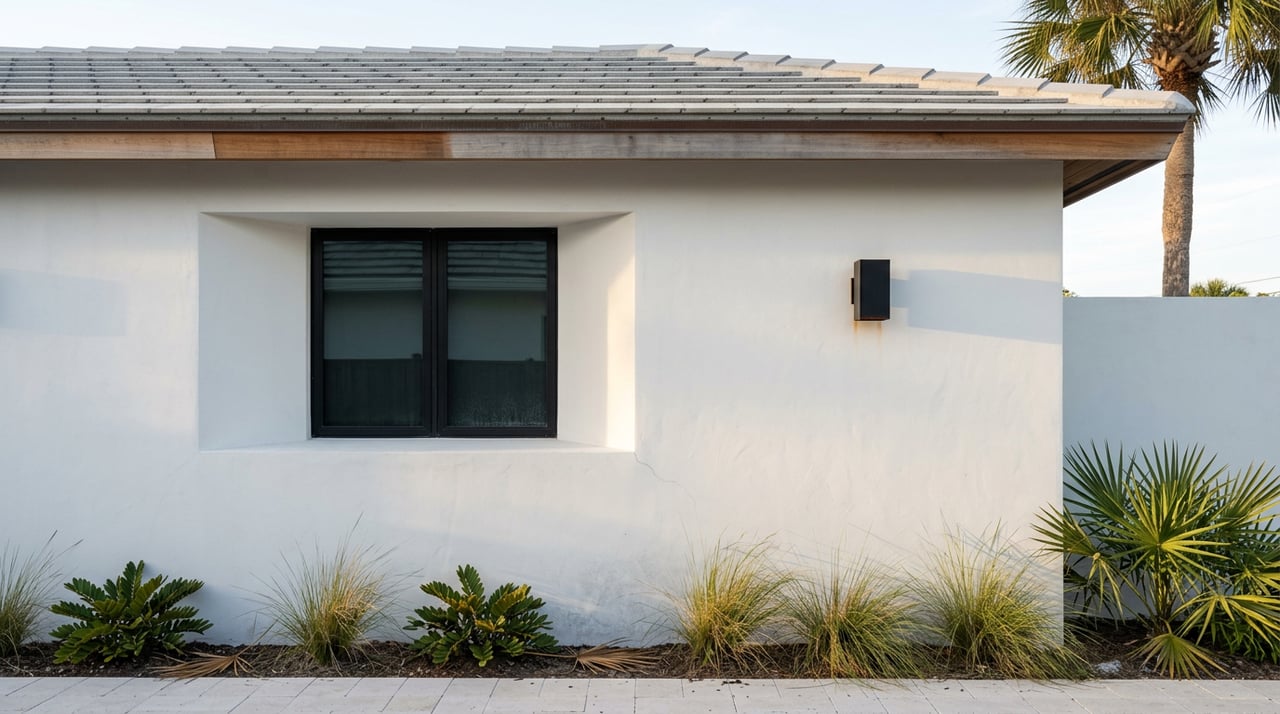
That gap, more than three times the annual cost for a condo versus a detached home, traces back to how Rosemary Beach was designed. The town's Pattern Book restricts construction to twelve defined building types, ranging from the Cottage and the Side Yard House to the Flats and the Tower House, each with its own footprint, shared-wall exposure, and common-area obligations. A condo unit inside a Flats-style building shares more physical infrastructure, more roofline, more shared systems, than a standalone Cottage on its own lot. The dues reflect that difference in what the association actually maintains.
If you're comparing two Rosemary Beach properties at similar price points, the building type tells you more about your ongoing carrying cost than the price per square foot does.
The fee that only shows up if you build
There's a third charge that many buyers never encounter, because it only applies if the property involves new construction or a major renovation: the Capital Contribution Fee, which ranges from roughly $5,000 to $25,000 depending on the scope of the project. Unlike the transfer fee, this one isn't tied to purchase price. It's tied to what you're doing to the structure.
Rosemary Beach takes its architectural consistency seriously enough that the town solicited proposals in March 2026 for a part-time Town Architect to review applications, verify site compliance, and support what the request for proposals described as "design consistency within a planned community environment." That level of ongoing oversight is exactly why a capital contribution exists: it helps fund the review process and reserve capacity that construction and major renovation place on the association, separate from the transfer fee that every buyer pays regardless of whether they touch a single wall.
If your offer includes plans to renovate after closing, or if you're buying a newly built home where the contribution hasn't yet been assessed, ask your closing attorney to confirm whether this fee applies to your specific transaction before you finalize numbers.
The second compliance system that has nothing to do with the HOA
If part of your plan for a Rosemary Beach property includes renting it out, the RBPOA's rules are only half the picture. Walton County runs its own Short-Term Vacation Rental Certification Program, entirely separate from anything the association enforces, and it changed in ways that matter for 2026 closings.
The county certificate costs $300 annually for an individually registered property, or $227 if the property is part of a registered community program. Add the Florida Department of Business and Professional Regulation license, roughly $50 plus per-unit fees, and total annual licensing costs land around $350 to $400. That's a modest number on its own, but the compliance mechanics around it have teeth: operating or advertising a rental without a valid certificate can draw fines of up to $500 per day, and Walton County has moved from sending warnings to pursuing active legal proceedings against non-compliant owners in 2026.
Two changes are worth flagging specifically for anyone closing this year. First, Walton County moved most properties onto a unified certificate cycle in 2026, with applications opening each April 1 and renewals due by June 1. The one holdout is the 32459 zip code covering Santa Rosa Beach, which still runs on its prior January 31 expiration. Second, exterior signage at any short-term rental must now include the county's official hotline number, a requirement that took effect January 1, 2026, in addition to the existing rules on posting a responsible party's contact information.
None of this replaces the RBPOA's own rental approval process, which governs minimum stays, typically seven nights during peak summer and three to five nights in the off-season, and enforces occupancy limits with fines of $500 to $1,000 per violation. A buyer planning to rent needs to satisfy both systems independently. Passing one doesn't exempt you from the other.
What to put in writing before you remove contingencies
Before a Rosemary Beach contract goes hard, it's worth requesting the following in writing, not as a courtesy but as due diligence that protects the number you think you're closing at:
- The current RBPOA fee schedule and full CC&Rs, since dues and assessments are subject to change and vary by building type
- Confirmation of whether the property has an outstanding or upcoming Capital Contribution assessment tied to recent construction or renovation
- Written disclosure of the transfer fee calculation based on your actual contract price, not a rounded estimate
- If you plan to rent, the property's current Walton County certificate status and expiration date, and whether it falls under the 32459 exception or the new unified June 1 cycle
- Any RBPOA-specific rental restrictions on minimum stay length or occupancy caps that apply to that property's building type
Your closing attorney and your agent should be requesting these documents as a matter of course. Asking for them yourself, and reading them before your inspection period closes, means nothing on the settlement statement should surprise you.
FAQ
Does the seller ever pay the Rosemary Beach transfer fee instead of the buyer? The fee is structured as a buyer obligation under RBPOA rules. In some negotiations a seller may agree to credit the buyer at closing, but the underlying obligation runs to the buyer regardless of price.
Does every Rosemary Beach purchase trigger the Capital Contribution Fee? No. It applies specifically to new construction or major renovation projects, not to a standard resale purchase where no significant work has occurred or is planned.
If my HOA already restricts short-term rentals, do I still need the county certificate? Yes. The Walton County certificate and the RBPOA's rental rules are two separate systems. Meeting one doesn't satisfy the other, and both need to be in place before you advertise or accept a booking.
What happens if I miss the new June 1 renewal deadline? Operating a rental with an expired certificate exposes you to county fines of up to $500 per day. Given the transition to a unified cycle in 2026, it's worth marking your specific renewal window rather than assuming last year's date still applies.
Rosemary Beach rewards buyers who do their homework before they write an offer, not after. If you're weighing a purchase here and want the real numbers behind a specific property, from its building type's dues tier to its rental compliance status, LaFlure & Vice can walk you through what your closing statement will actually look like. Request a personalized consultation and let's get you the full picture before you're under contract.